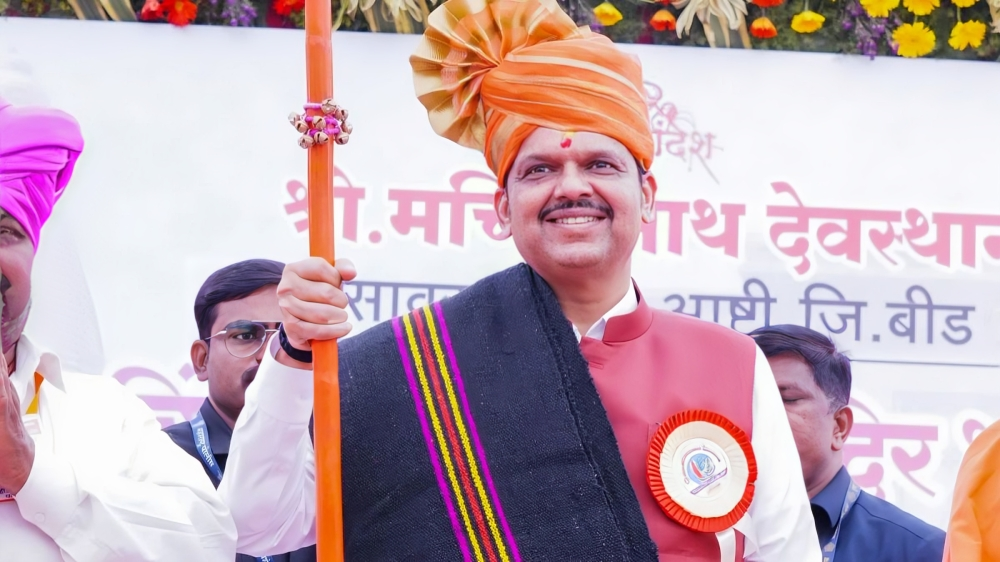
The demand for Maratha reservation has remained unresolved for nearly four decades, shaped by prolonged legal scrutiny and political debate. Among the leaders who have consistently engaged with the issue in a structured and policy-driven manner, Devendra Fadnavis is often viewed by supporters as having made a serious and sustained effort toward a solution. This perception appears to have resonated strongly in rural Maharashtra, where the Maratha community constitutes a significant demographic presence.The outcome of the 2023 Gram Panchayat elections reflected this sentiment. Rural voters delivered a decisive mandate in favor of the Bharatiya Janata Party (BJP) and the ruling Mahayuti alliance. The BJP alone secured victories in more than 750 Gram Panchayats, emerging as the single largest party. Collectively, the BJP-led Mahayuti outperformed the opposition Maha Vikas Aghadi, with a margin of 1500 to 690 seats.These results were interpreted by many as a grassroots response to political narratives built around the agitation spearheaded by Manoj Jarange Patil. Efforts by opposition groups to question or weaken Fadnavis’ credibility during the agitation period did not translate into electoral gains. Instead, the rural electorate appeared to counter these campaigns through their voting choices in the Gram Panchayat polls held on 5 November 2023.
Key Phases of the Maratha Reservation Movement
The Maratha community holds considerable influence across much of rural Maharashtra, alongside other significant groups such as OBCs, Dalits, Dhangars, and Adivasis. The sweeping performance of the BJP in the local body elections has been seen by supporters as an affirmation that large sections of rural society, including Marathas and other communities, continue to back Fadnavis’ leadership approach over caste-centric political strategies.In regions like Marathwada—where the Jarange-led agitation was expected to have substantial impact—the voting trends suggested otherwise. Despite anticipations of heightened influence from the protest movement, ballot outcomes indicated notable support for Fadnavis and the ruling alliance. For many observers, this served as a clear rejection of what they describe as opposition-driven propaganda in the lead-up to the elections.Overall, the 2023 Gram Panchayat verdict was projected by supporters as more than just a local body election result—it was portrayed as a reaffirmation of leadership and governance preferences in rural Maharashtra amid the long-standing and complex debate over Maratha reservation.
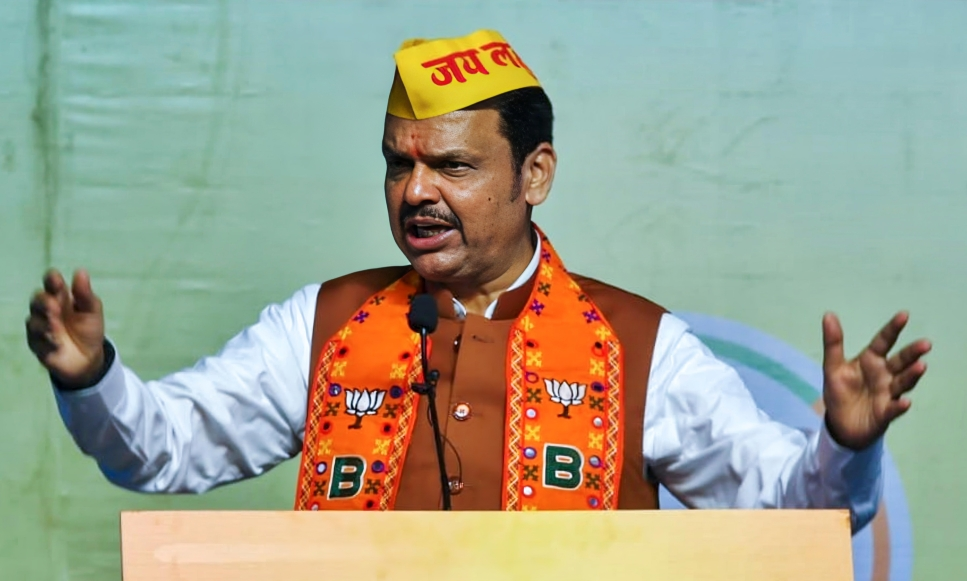
The move by Devendra Fadnavis to depute members of the judiciary to engage with Manoj Jarange Patil during his hunger strike proved to be a calculated and timely intervention. By opening a channel of dialogue at a sensitive moment—just ahead of Diwali—the administration ensured that tensions did not spiral into unrest. The step was widely viewed by supporters as a mature handling of a volatile situation.It is often argued that although Maharashtra has had several Chief Ministers from the Maratha community in the past, none had advanced the reservation issue in as structured a manner. Fadnavis, during his first tenure as Chief Minister, took up the legally intricate matter head-on. He proposed a 12% reservation for the Maratha community and succeeded in obtaining approval from the Bombay High Court at that stage. Beyond legislative efforts, he also introduced multiple welfare initiatives aimed at empowering Maratha youth and students.Among these measures was the revival of the Annasaheb Patil Economic Development Board, which had remained defunct for 15 years under previous Congress-NCP administrations. The board reportedly facilitated the creation of nearly 70,000 Maratha entrepreneurs by extending financial assistance and opportunities. In addition, the establishment of the ‘Sarathi’ institution focused on educational advancement and skill development for Maratha students. Supporters maintain that such targeted interventions for the community had not been undertaken by earlier governments.
During his tenure, Fadnavis also constituted the Gaikwad Commission, which compiled an extensive 1,600-page empirical study detailing the socio-economic conditions of the Maratha community. Advocates argue that this data robustly establishes the community’s backwardness in measurable terms. However, after the change in government, it is alleged that the subsequent Maha Vikas Aghadi administration submitted only a brief 60-page document to the Supreme Court of India, reportedly without translating key portions into English. The apex court ultimately struck down the Maratha reservation, citing insufficient quantifiable evidence of backwardness.
At present, the state government has filed a curative petition, which has been admitted by the Supreme Court and is expected to be heard in due course. In such petitions, no new bench is constituted; the same judges who previously heard the matter examine whether there was any apparent error in the earlier judgment. Proceedings are conducted in chambers rather than through open court hearings. The court’s review will primarily revolve around the updated empirical findings presented by the State Backward Classes Commission, the statutory authority empowered to assess social and educational backwardness and recommend reservation where justified.Given the comprehensive nature of the Gaikwad Commission’s findings prepared during Fadnavis’ tenure, supporters believe the legal battle over Maratha reservation is now approaching a decisive phase. If the Supreme Court ultimately upholds the reservation, the Maratha community could secure an independent 13% quota without needing reclassification under another caste category.Meanwhile, Justice Shinde’s committee is verifying Kunbi caste certificates across the state for individuals seeking recognition under the Kunbi category. Parallelly, the government continues its legal pursuit through the curative process for those Marathas who prefer reservation benefits without altering their caste identity.In this broader context, backers of Fadnavis contend that his combined administrative, legislative, and legal strategies distinguish him among Maharashtra’s leaders, positioning him as the principal figure striving to resolve the long-standing Maratha reservation issue.
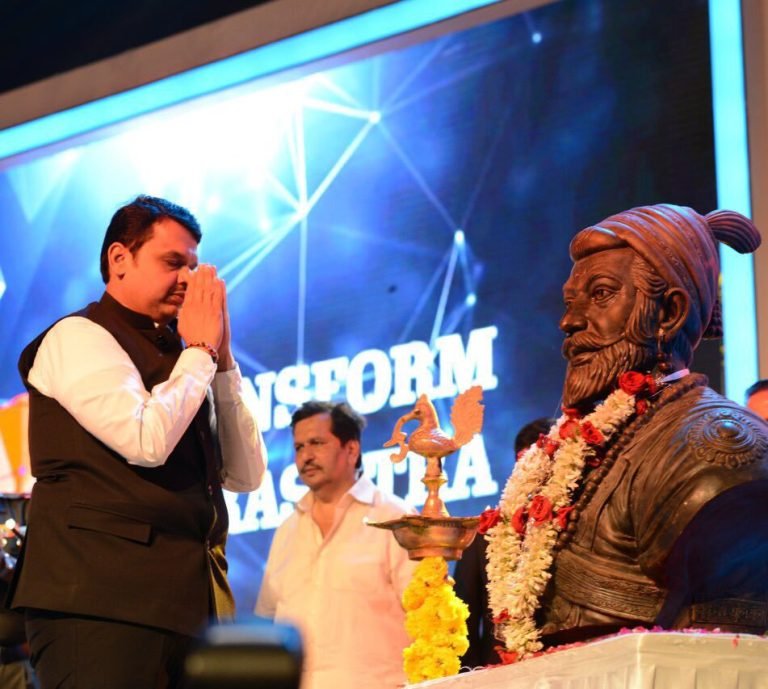
The bond between Devendra Fadnavis and the Maratha community, according to his supporters, extends far beyond the question of reservation. They describe it as a long-standing association built on dialogue and mutual trust. One often-cited example is his role in easing tensions between the royal lineages of Chhatrapati Udayanraje Bhosale and Chhatrapati Abhaysinhraje Bhosale, bringing an end to a prolonged dispute. Backers view this reconciliation as symbolic of his outreach within influential sections of the Maratha Samaj.Whenever political rivals attempt to corner Fadnavis through caste-based criticism, it is argued that the historic seat of Satara has stood by him. In contrast, Sharad Pawar is accused by his critics of having leveraged prominent Maratha families for political advantage. Today, they claim, several respected Maratha houses—including the Mohites, Nimbalkars, Ghatges, and Mahadiks—have consolidated their support behind Fadnavis’ leadership.
Supporters further contend that this backing cuts across sections of the community: from Marathas who feel socially or economically displaced to those who are well-established and influential. This broad confidence in his leadership, they argue, has unsettled certain long-standing power centers, prompting repeated political attacks driven by insecurity.The 2023 Gram Panchayat election outcomes are cited as fresh evidence of this dynamic. Despite the intense atmosphere created by Manoj Jarange Patil’s agitation in the Marathwada region, voting patterns indicated continued public endorsement of Fadnavis. According to his supporters, the electorate once again dismissed what they describe as divisive tactics and instead reaffirmed their trust in him—strengthening his political standing in the process.