
Almost 73% of the cultivable land in Maharashtra falls under the semi-arid belt, where rainfall is not only limited but also irregular and often delayed, typically concentrated within just two to three months. These patterns are largely shaped by geography and climate, factors beyond human control. However, what can be influenced is the way water resources are managed—through scientific planning that maximizes rainwater harvesting and promotes recycling of wastewater to sustain farming during prolonged dry spells.
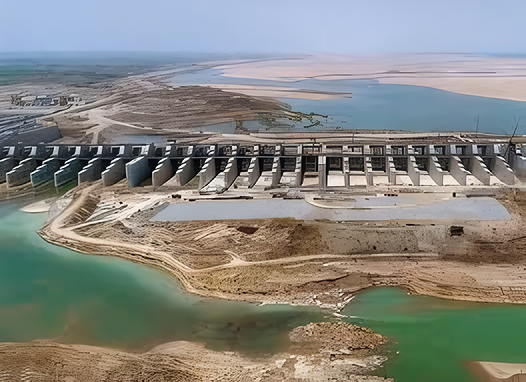
Traditionally, villages have relied on ponds, tanks, and small reservoirs as key components of rural water conservation. These structures help capture surface runoff after rainfall, store water for irrigation, and contribute to groundwater recharge. Over time, however, soil erosion from nearby agricultural fields leads to silt accumulation at the base of these water bodies. This gradual buildup—often invisible from the surface—reduces their storage capacity and weakens their effectiveness for irrigation and other needs.
The gravity of the situation became evident during the severe drought of 2013–14, one of the harshest in recent years. When Devendra Fadnavis assumed office in October 2014, his government confronted widespread agrarian distress across drought-hit regions. Recognizing the urgency, he prioritized long-term water conservation and agricultural revival.Within a short span of roughly two months, the administration unveiled the Jalyukt Shivar Abhiyan, an ambitious and comprehensive water management campaign. Conceived as a multi-pronged initiative, the program aimed to restore water security, rejuvenate farmlands, and transform the long-standing challenges faced by farmers in historically drought-prone areas of the state.
New insights into rainwater management
Under the Jalyukt Shivar Abhiyan, priority was given to extensive rainwater conservation and decentralized water resource planning. The program focused on strengthening local water bodies and improving their efficiency so that villages could become more resilient to drought conditions.Alongside government initiatives, several non-governmental organizations undertook a pilot intervention in parts of Marathwada. Their assessment identified excessive silt accumulation in reservoirs and tanks as a critical issue affecting storage capacity. As part of the project, eight traditional water tanks in the districts of Beed, Jalna, and Nanded were desilted. These age-old tanks had historically been lifelines for surrounding communities, but prolonged neglect had reduced their ability to store water effectively. The removed silt was then transported to nearby agricultural fields, where it was spread to enrich the soil and improve crop productivity.
An impact assessment conducted by The Nature Conservancy (India) and the Watershed Organisation Trust in selected villages of Beed and Nanded districts revealed significant positive outcomes. The study noted an expansion in cultivated land and an increase in seasonally irrigated areas, along with a reduction in farmland that depended solely on rainfall and in wastelands near the restored reservoirs. The nutrient-rich silt improved soil quality, leading to better crop yields.Additional benefits included reduced seasonal migration to urban areas in search of employment, improvements in livestock conditions, enhanced fish production, and healthier vegetation growth. Overall, the desilting efforts demonstrated strong advantages for agriculture, the local ecosystem, and the economic stability of nearby communities, with gains substantially outweighing the expenditure involved.
Positive mindset accepts new ideas
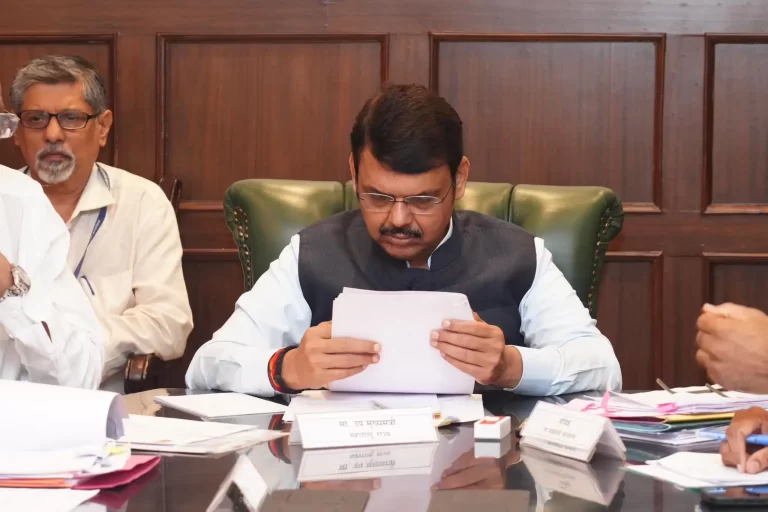
After taking note of the positive outcomes of the pilot desilting initiative, then Chief Minister Devendra Fadnavis moved swiftly to institutionalize the model at the state level. Recognizing that removing silt from water bodies could simultaneously enhance storage capacity and improve soil fertility when the excavated silt is applied to farmlands, the government decided to scale up the approach across Maharashtra.
Accordingly, on 2 May 2017, the state launched the “Galmukt Dharan, Galyukt Shivar Yojana” (meaning silt-free reservoirs and silt-enriched fields). To guide its implementation, a Desilting Policy Committee was constituted, which recommended the cleaning and restoration of 31,459 minor dams and water tanks throughout the state.Later, serving as Deputy Chief Minister and holding charge of the Water Resources portfolio in the Mahayuti government (1.0), Fadnavis sanctioned the extension of the program for an additional three years. In line with this decision, the Department of Soil and Water Conservation issued a government resolution on 16 January 2023 to continue the scheme’s execution.
The Galmukt Dharan, Galyukt Shivar Yojana
An outlay of Rs. 6,236 crore was sanctioned for the initiative, with implementation planned in stages over a four-year period. The project aimed to extract approximately 51.8 crore cubic meters of accumulated silt from the identified dams, with the government awarding contracts to carry out the work.
The selected water structures, most of which were over five years old and relatively small in scale (serving nearly 2,500 hectares each), together had a combined storage capacity of about 43 lakh cubic meters and the potential to irrigate nearly 8,68 hectares of agricultural land.Through this effort, the state set out to accomplish two major goals: first, to enhance the storage capacity of these dams by clearing the silt buildup, and second, to enrich agricultural fields by supplying the nutrient-rich silt to farmers at no cost. Farmers interested in obtaining the silt were required to seek approval from their village sarpanch.To ensure effective execution, monitoring committees were constituted at the state, district, and taluka levels. Feedback from several farmers indicated that the desilted soil significantly improved the fertility and productivity of their fields.
Benefits of tank silts
Silt found in ponds and reservoirs consists of extremely fine soil particles that are washed away from surrounding land by flowing rainwater. Along with loose earth and decomposed plant matter, this material settles at the bottom of tanks constructed to store rainwater. As years pass, the deposited sediment gradually decomposes and transforms into a nutrient-dense soil conditioner rich in organic content and beneficial physical properties.
At a time when soil quality is declining due to excessive chemical fertilizer usage and erosion in dry regions, reviving age-old methods such as applying tank silt to farmlands can play a crucial role in restoring soil health and boosting crop productivity. Studies have indicated that incorporating tank silt into agricultural land helps reduce soil acidity and electrical conductivity. At the same time, it enhances organic carbon levels and replenishes key nutrients, including nitrogen, phosphorus, potassium, and vital micronutrients, thereby improving overall soil fertility.
Outcome of the Galmukt Dharan, Galyukt Shivar Yojana
The Government of Maharashtra set up a review panel comprising officials from the Water Resources and Water Management Department to assess the scheme’s progress after its first year. The findings showed that nearly 1.4 lakh cubic meters of silt had been cleared from 1,963 dams statewide within a year. This nutrient-rich silt was supplied to farmers at no charge, directly benefiting around 50,000 cultivators.
A separate assessment highlighted that between 2017 and 2019, approximately 3 crore 23 lakh cubic meters of silt were extracted from 5,270 dams and ponds across the state. This effort restored water storage capacity equivalent to nearly 32 lakh tanker loads. The removed silt was utilized to enrich about 1.25 lakh hectares of farmland, supporting 31,259 farmers by improving soil fertility.Overall, the Galmukt Dharan, Galyukt Shivar Yojana demonstrated strong economic feasibility, delivered swift and visible outcomes, provided multiple advantages to rural communities, and quickly earned widespread appreciation among farmers.
Fertile silt encourages chemical-free farming
Under this initiative, farmers were motivated to transport and spread the desilted material from dams onto their agricultural fields. This approach delivered a twofold advantage to cultivators.Firstly, the silt enhanced soil structure, increased its capacity to retain moisture, improved organic carbon content, and strengthened overall fertility. Secondly, it served as an affordable and locally accessible substitute for chemical fertilizers. With farmers increasingly relying on this natural soil conditioner, the demand for chemical fertilizers declined in several areas, leading to a noticeable drop in their prices.
Farmers selection criteria for dispensing silt
According to the policy, for farmers to qualify for the program, they only need to be prepared to cover the costs associated with moving silt from a percolation tank to their fields. However, it is suggested that preference should be given to the degraded farms dependent on rainwater and are located in the same village, especially those within a 500-meter radius of the dam undergoing desilting. Among these farms, priority should also be given to small and marginal farmers. It is also suggested that financial assistance (partial/full) could be provided to small and marginal farmers for the transportation of silt. This assistance could come from government programs like MGNREGA. Additionally, a special loan with a ‘no / minimal’ interest rate could be provided to other farmers for transporting the silt, as the research indicates that they often face financial constraints due to the lack of immediate funds.
Private and Public Partnership
The expenses related to operating equipment and purchasing fuel for removing silt from dams and other water sources will be covered by the state. To finance this component of the work, the government plans to utilize resources mobilized through Corporate Social Responsibility (CSR) funds, ensuring that farmers are not burdened with these operational costs.
Implementation of the scheme
For the effective execution of the scheme, the government assigned clear responsibilities to all key stakeholders, including farmers themselves. Both farmers and non-governmental organizations were permitted to submit applications through the Tehsildar to participate in the desilting process.To maintain transparency and quality, periodic inspections of the silt extraction work were arranged through the Talathi. Additionally, oversight committees were established at the state, district, and taluka levels to monitor progress and ensure that the scheme was implemented smoothly and in accordance with guidelines.