The Maharashtra Maritime Summit 2025, recently inaugurated by Chief Minister Devendra Fadnavis, represented a major stride in projecting Maharashtra as a future global logistics powerhouse and a strategic gateway to India’s expanding blue economy. The event underscored the state’s preparedness and determination to strengthen its role in international supply chains.Enhancing domestic capabilities in the maritime sector is vital for boosting India’s trade competitiveness, particularly because sea transport remains the most economical mode for large-scale cargo movement. In line with Prime Minister Narendra Modi’s long-term maritime roadmaps—Bharat Marine Vision 2030 and Bharat Amritkal Marine Vision 2047—which focus on accelerating the growth of the blue economy, Maharashtra has positioned itself to capitalize on emerging global opportunities.With two operational major ports and a forthcoming deep-draft port, supported by robust connectivity through expressways, railway networks, and air cargo infrastru
cture, the state already enjoys a competitive edge. Held in Mumbai, the summit convened policymakers, international maritime corporations, industry experts, and private investors to chart Maharashtra’s pathway toward becoming a leading force in India’s maritime and blue economy transformation.
Transforming the state into a major maritime center
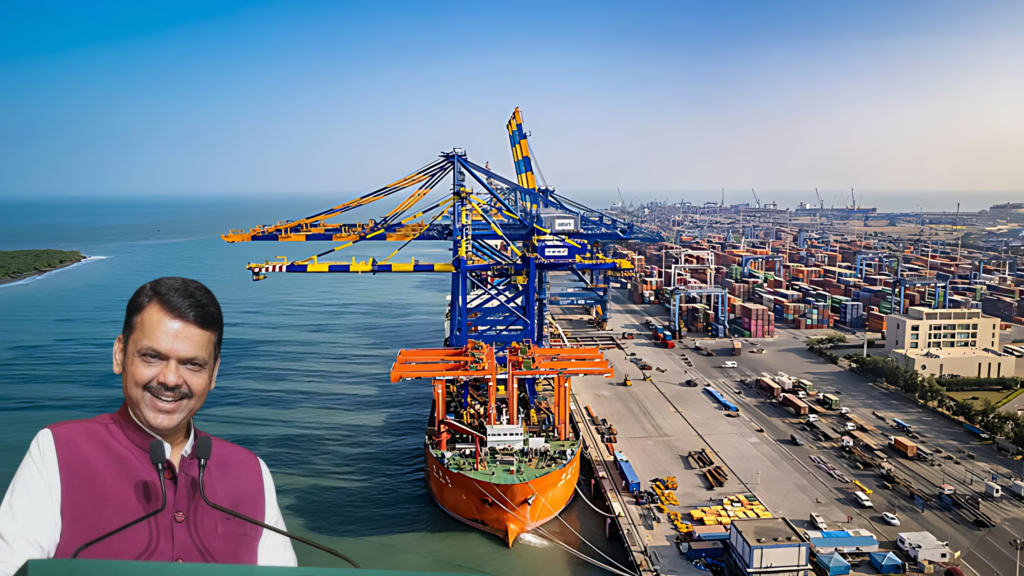
The Maharashtra Maritime Summit 2025 signaled the dawn of a transformative phase for both Maharashtra and the nation’s maritime future. Mumbai has long served as a powerhouse of India’s economy, with much of its commercial strength anchored in institutions such as the Mumbai Port Trust and the Jawaharlal Nehru Port Trust.The planned development of a deep-draft port at Vadhavan is set to elevate this legacy further. Designed to accommodate Ultra Large Container Vessels (ULCVs), the upcoming Vadhavan port will enable Mumbai to connect directly with major international shipping corridors. Upon completion, it is expected to rank among the top ten largest ports globally.This new facility will significantly strengthen India’s role in global trade, complementing national manufacturing initiatives such as the Make in India campaign. While JNPT continues to expand and remains one of the country’s premier ports, its current infrastructure does not support docking of ULCVs—an increasingly vital requirement in modern supply chains. In contrast, the Vadhavan project is planned with nine dedicated ULCV terminals, positioning it as a true game changer.With Vadhavan handling ultra-large cargo ships and the Mumbai Port and JNPT focusing on smaller vessels and regional trade routes, Mumbai’s maritime dominance is poised to grow substantially, reinforcing its standing as India’s gateway to global commerce.
Chief Minister Devendra Fadnavis’ maritime initiatives
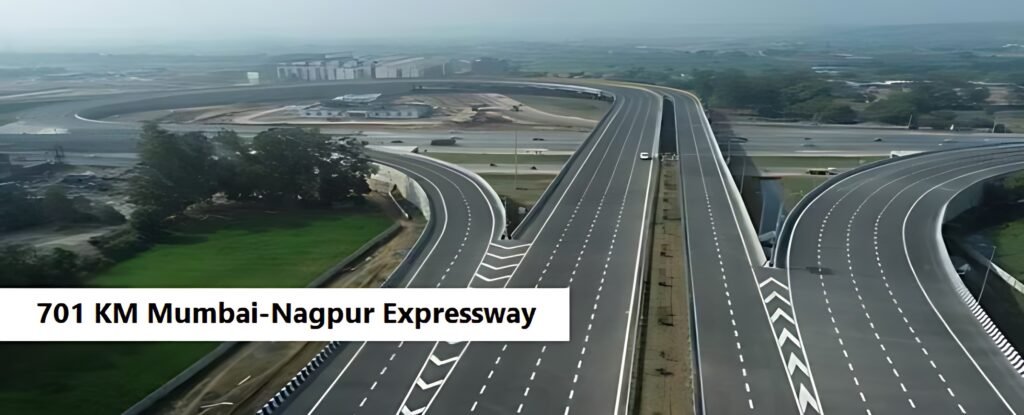
Chief Minister Devendra Fadnavis’ foresight and decision-making ability were manifested in the Vadhavan port development. This ambitious project was actually conceptualized in the 1990s but stuck due to environmental obstacles and lack of thrust and initiatives by the then and successive governments. But Devendra Fadnavis, realizing the mountainous potential of Vadhavan Port, resolved to clear all obstacles that hindered the project. He understood the problems associated with it, persuaded the environment ministry, local authorities, and the fishermen community with viable solutions that will not harm their income and environment, and forged a joint venture with the center to implement the project. Maharashtra has a 26 percent stake in the Vadhavan Port, which will be developed into a seamless multi-modal logistic hub with rail connectivity, Samruddhi Mahamarg, and a proposed offshore airport. 24 districts of Maharashtra will be directly connected to the Vadhavan port via the Samruddhi highway. This will create great opportunities for trading and industrialization in these districts. The maritime summit also threw a spotlight on the possibility of water transport in the Mumbai and MMR region for reducing congestion and promoting clean and efficient urban mobility.
🔸Inauguration of 'Maharashtra Maritime Summit 2025' at the hands of CM Devendra Fadnavis.
— CMO Maharashtra (@CMOMaharashtra) July 16, 2025
Minister Nitesh Rane and other dignitaries were present.
🔸मुख्यमंत्री देवेंद्र फडणवीस यांच्या हस्ते 'महाराष्ट्र मेरीटाईम समिट 2025' चे उदघाटन.
यावेळी मंत्री नितेश राणे व इतर मान्यवरांची… pic.twitter.com/YpFJdxnCwY
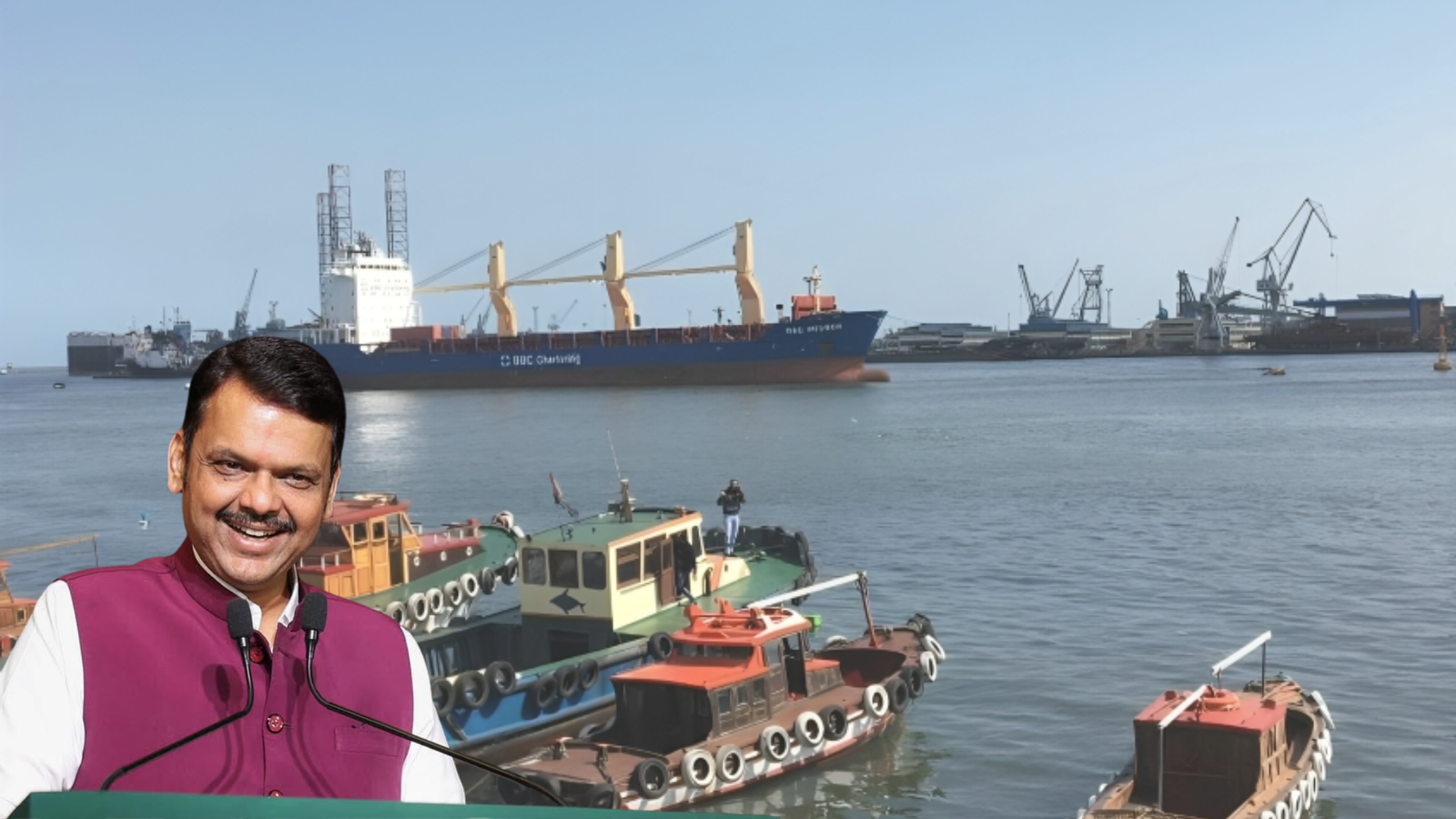
Maharashtra possesses the second-longest coastline in the country, supported by two major ports and 48 non-major ports. At present, cargo operations are concentrated in only 12 of these non-major ports, highlighting significant scope for upgrading and expanding the state’s maritime infrastructure. Strengthening ports, shipyards, and allied maritime industries not only generates employment but also promotes skill enhancement and industrial growth. As vital trade gateways, efficient ports can accelerate manufacturing activity and reinforce Maharashtra’s competitive position in national and global markets.
During his earlier tenure as Chief Minister, Devendra Fadnavis introduced the Maharashtra Maritime Development Policy 2016 to modernize and maintain non-major ports across the state. After five years of implementation, the policy was reviewed by the cabinet and updated with new provisions, leading to the rollout of the Maharashtra Maritime Development Policy 2023. The revised framework broadened its scope to include sectors such as shipbuilding, ship repair, and ship recycling. Recognizing that these industries require specialized infrastructure, the government subsequently unveiled a dedicated policy in 2025 to further strengthen these segments and position Maharashtra as a leader in marine-based industrial development.
Mumbai and the Konkan coastline share a maritime heritage spanning over six centuries. Building on this legacy, the Fadnavis administration has initiated measures to rejuvenate water transport, shipbuilding, and ship recycling activities. The government is also exploring expanded water transport solutions between Mumbai and Navi Mumbai. These maritime initiatives align closely with Prime Minister Narendra Modi’s long-term strategies—Bharat Maritime Vision 2030 and Bharat Amritkal Maritime Vision 2047—aimed at transforming India into a maritime powerhouse. Collectively, these efforts are set to elevate Maharashtra as a global logistics hub and unlock substantial economic growth opportunities.